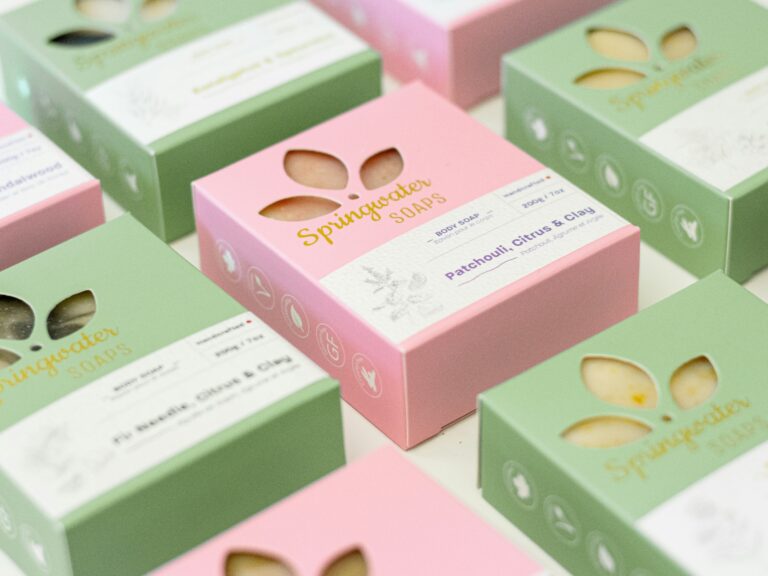
For a small business, packaging decisions can be challenging. You want your product to look professional, communicate quality, and stand out from competitors, but you also need to manage production costs carefully.
The good news is that effective product packaging design does not always require expensive materials, complicated structures, or elaborate finishes. A clear idea, thoughtful layout, and consistent brand identity can make a meaningful difference.
Whether you sell food, beverages, cosmetics, clothing, accessories, or handmade products, packaging is an opportunity to communicate your brand’s personality while giving customers the information they need.
Why Packaging Matters for Small Businesses
Small businesses often compete with established brands that have larger marketing budgets and greater retail visibility. Packaging provides a physical touchpoint where a smaller brand can communicate its own identity.
A well-designed package helps customers identify the product, understand its benefits, recognise the brand, and distinguish it from alternatives.
For products sold online, packaging also influences the delivery and unboxing experience. For products sold in stores, it needs to work within the visual environment of a shelf or display.
The goal is not necessarily to look expensive. It is to look appropriate, professional, and memorable for your target audience.
1. Start With a Clear Brand Identity
Before spending money on packaging, establish the basic elements of your brand.
Your logo, colours, typography, and communication style should work together. These elements create a foundation that can be applied across labels, boxes, pouches, bottles, shipping materials, and marketing content.
Without a consistent identity, every new package may require a completely different design approach. This can create unnecessary costs and make it harder for customers to recognise your products.
If you are launching a new product, consider developing your logo and packaging direction together. This helps ensure that the identity works on the actual product rather than only in a presentation.
2. Choose Materials Based on Practical Needs
Premium-looking packaging does not automatically require premium-priced materials.
Start by identifying what the packaging must do. Does it need to protect a fragile item, preserve freshness, resist moisture, support transportation, or meet specific storage requirements?
Once these needs are clear, compare suitable materials, available sizes, printing options, and supplier minimum order quantities.
Standard packaging formats can sometimes reduce tooling and production costs. Custom printing, labels, sleeves, or stickers may offer flexibility for businesses that are not ready to commit to large production runs.
Material choices should always be suitable for the product, including any applicable food-contact, safety, or regulatory requirements.
3. Use Design to Create Impact
A package does not need multiple colours, complex illustrations, and several finishing techniques to attract attention.
A strong visual hierarchy can often do more than decorative complexity.
Make the brand name and product type easy to identify. Use typography that suits the brand personality. Choose colours that support recognition and ensure important information remains readable.
Whitespace can also be useful. Leaving space around important elements helps prevent the design from feeling crowded.
For example, a small skincare brand may create a distinctive identity using a restrained colour palette, clean typography, and a well-organised label. A snack brand targeting younger consumers may use brighter colours and more expressive graphics.
The best design depends on the product category and audience.
4. Understand Your Printing Options
Printing and finishing decisions can significantly affect packaging costs.
Digital printing may be suitable for certain short runs, while other printing methods may offer better economics at larger volumes. Labels, sleeves, direct printing, and pre-made packaging formats each have different cost and production considerations.
Before approving artwork, speak with your packaging supplier about print specifications, colour limitations, minimum quantities, finishing options, and lead times.
A design agency should also prepare artwork according to the printer’s technical requirements. Correct dimensions, bleed, safe areas, image resolution, and colour settings help reduce the risk of production errors.
5. Make Your Packaging Easy to Understand
Customers should not need to examine every side of a package to understand the basics.
Give priority to the product name, variant, key information, and other details required for the category. Ensure text is legible at the actual printed size.
If your product has multiple variants, create a system that keeps the overall design consistent while making each version easy to distinguish.
This can be achieved through variant colours, clear naming, or small graphic differences rather than redesigning the entire package for every product.
6. Avoid Spending on Features Customers Do Not Need
Special finishes, magnetic closures, elaborate inserts, and unusual structures can add cost. They may be worthwhile for certain products, but they should serve a clear purpose.
Ask whether each feature improves protection, usability, presentation, or the intended customer experience.
If a feature adds cost without improving any of these areas, it may not be necessary.
The same applies to oversized packaging. A package that is larger than required can increase material use, storage requirements, and shipping expenses.
7. Test Before Producing in Bulk
Never rely exclusively on a digital mockup when the final product depends on physical packaging.
Review a sample to check colour reproduction, material quality, text readability, opening mechanisms, fit, and overall appearance. If the product is fragile or requires protection, test the packaging under realistic handling and transportation conditions.
Sampling may add a small upfront expense, but it can help prevent larger mistakes during mass production.
Work With a Packaging Design Partner
An experienced creative partner can help connect brand identity, visual design, packaging structure, and production requirements.
At Mark Studio, we help businesses approach product packaging and label design with both creative and practical considerations in mind. The aim is to create packaging that communicates clearly and fits the business’s brand and production needs.
Conclusion
Small businesses do not need the most expensive packaging to make a strong impression. They need packaging that is thoughtfully designed, suitable for the product, consistent with the brand, and practical to produce.
Start with a clear identity, understand your audience, choose materials carefully, and test the final design before committing to large quantities.