Choosing a branding agency is an important decision for any business planning to launch, grow, or reposition itself in the market. The right creative partner can help you communicate your value more clearly, develop a recognisable identity, and create consistency across your marketing materials.
However, choosing an agency based only on its portfolio or quotation can lead to problems later. Branding involves more than producing attractive designs. It requires an understanding of your business, your customers, your competitors, and the experience you want to create.
Here are the key factors to consider before selecting a branding agency.
1. Define What Your Business Needs
Before approaching agencies, identify the problem you want to solve.
Are you starting a new business and need a logo? Does your existing brand look outdated? Are you launching a product and require packaging design? Do you need a complete identity system, website, and marketing materials?
These projects require different levels of involvement.
A logo design project may focus on developing a distinctive mark and the files needed to use it. A broader branding engagement may include positioning, visual identity, packaging, brand guidelines, and website design.
Having a clear brief helps agencies understand your expectations and propose relevant solutions.
2. Look Beyond the Portfolio
An agency’s portfolio is a useful starting point, but it should not be the only factor in your decision.
Look for evidence that the agency can adapt its approach to different business objectives. A food brand, a manufacturing company, and a professional service business do not necessarily need the same visual style.
Review how the work connects to the intended audience, product category, and brand positioning.
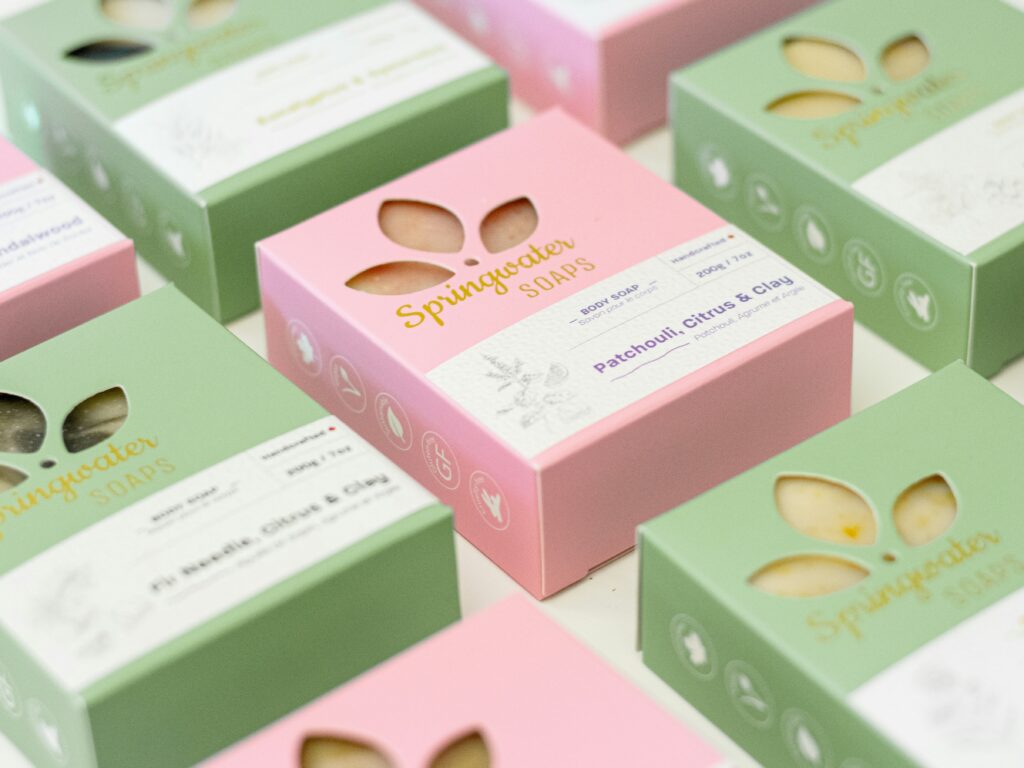
Pay attention to consistency across applications. Does the identity work on packaging, stationery, digital platforms, and other relevant materials? Are the designs practical to use, or do they only look good in presentation mockups?
Ask about the agency’s role in each project and which deliverables were actually completed.
3. Understand the Agency’s Process
A structured process can make a branding project easier to manage.
Ask how the agency collects information, develops creative directions, presents concepts, handles feedback, and prepares final files.
Some projects may require competitor research and audience insights. Others may need a focused creative process because the business already has a clear strategy.
The process should match the scope rather than follow unnecessary steps for the sake of appearances.
You should also understand how many concepts and revision rounds are included, who approves the work, and how changes outside the agreed scope will be handled.
4. Choose an Agency That Understands Business Goals
Design decisions should have a reason behind them.
For example, a business targeting corporate buyers may need to communicate reliability and technical expertise. A consumer brand aimed at young adults may need a more energetic and expressive identity.
Neither approach is automatically better. The right direction depends on the audience and the position the business wants to occupy.
During your initial discussions, notice whether the agency asks meaningful questions about your product, customers, competition, and growth plans.
A strong creative partner should be able to explain how its recommendations support those objectives.
5. Check Whether the Agency Offers the Services You Need
Branding projects often connect with other creative requirements.
You may begin with a logo but later need packaging, brochures, a website, social media creatives, advertising campaigns, or outdoor communication.
Working with a partner that understands these connected services can make it easier to maintain a consistent identity.
However, a long service list alone does not guarantee quality. Evaluate the agency’s relevant experience and its ability to deliver each part of the project.
If specialist development, photography, printing, or production support is required, clarify who will manage those responsibilities.
6. Discuss Budget and Deliverables Clearly
The cheapest quotation is not always the most economical option, and the most expensive proposal is not necessarily the best.
Compare what each quotation includes. Consider strategy, design applications, file formats, revisions, implementation support, and any additional costs.
Ask whether fonts, stock imagery, printing, development, domain registration, hosting, or third-party tools are included or billed separately.
For logo and branding projects, clarify the ownership and usage rights for the final approved work. Confirm whether editable source files are supplied and whether any third-party assets have separate licence restrictions.
Clear expectations help prevent misunderstandings later.
7. Consider Communication and Collaboration
A branding project involves decisions, feedback, and approvals. Communication can influence how smoothly the work progresses.
Choose an agency that explains its ideas clearly, listens to your concerns, and provides a practical way to review progress.
You should be able to discuss concerns openly without losing sight of the project objectives.
At the same time, effective collaboration requires timely feedback and a clear decision-maker on the client’s side. A shared understanding of responsibilities helps keep the project moving.
8. Think About Your Future Requirements
Your brand may need to evolve as your business grows.
A useful identity system should be adaptable enough to support new products, additional locations, different marketing channels, and changing customer needs.
Ask whether the agency can provide guidelines that help your team use the identity consistently after the project is completed.
If ongoing creative support is important, discuss how future work can be commissioned and managed.
Choosing the Right Partner for Your Brand
The right branding agency should combine creative thinking with a practical understanding of business needs.
At Mark Studio, we work across branding, logo design, packaging, website development, and marketing creatives to help businesses build connected brand experiences.
Whether you need a new identity or support across multiple customer touchpoints, start with a clear brief and choose a creative partner whose approach fits your goals.