A potential customer hears about your business. They see a social media post, receive a recommendation, or notice your product in a store. What happens next? Quite often, they search for your business online.
If they find a useful, professional website, they have a place to learn about your services, explore your work, and contact your team. If they find outdated information or no website at all, they may have difficulty deciding whether to take the next step.
A professional website is more than an online brochure. It can support marketing, customer communication, lead generation, and business growth.
Your Website Creates an Important First Impression
Your website is often one of the first places people go to understand what your business offers.
A confusing layout, inconsistent branding, or unclear service information can make visitors work harder than necessary. A well-organised website helps them understand your business quickly.
This does not mean every business needs an elaborate website with dozens of pages. The structure should reflect the business model and customer journey.
A small service business may need a clear homepage, service pages, an about section, project examples, and a contact page. An e-commerce business will need product listings, product detail pages, shopping functionality, and a suitable checkout experience.
The right website is the one that helps your intended audience find the information they need.
1. A Website Helps Build Credibility
Customers want to know who they are dealing with before making an enquiry or purchase.
A professional website can provide business information, explain your process, display relevant work, and answer common questions. Testimonials, case studies, team information, and contact details can further help visitors evaluate your business.
For B2B companies, manufacturers, consultants, and professional service providers, this information can be particularly important because customers may need to assess expertise before entering into a business relationship.
A website does not guarantee credibility on its own. Its content must be accurate, current, and supported by the quality of your actual work.
2. It Gives Your Marketing a Central Destination
Social media, search engines, online advertisements, email campaigns, and offline promotions can all bring people into contact with your business.
Your website gives these activities a central destination.
Instead of relying on a single social platform, you can direct visitors to detailed service pages, project galleries, product information, enquiry forms, or online purchasing options.
You can also structure landing pages around specific campaigns. For example, an advertisement promoting packaging design can lead to a dedicated packaging service page rather than a general homepage.
This makes it easier for visitors to find relevant information and understand what to do next.
3. Website Design Affects User Experience
Visitors should not have to struggle to navigate your website.
Good website design considers page hierarchy, navigation, readable typography, spacing, content organisation, and accessibility. Important information should be easy to find, and calls to action should be clear.
Mobile responsiveness is equally important. Many users browse websites on smartphones, so pages must adapt to different screen sizes without making text difficult to read or controls difficult to use.
A useful website design process considers real customer behaviour rather than focusing exclusively on visual trends.
4. Website Performance Matters
Slow-loading pages and technical problems can frustrate visitors.
Website performance depends on factors such as hosting, image optimisation, code, third-party scripts, caching, and the way the website has been built.
Performance should be tested on relevant devices and network conditions. Regular maintenance also helps keep software, plugins, security measures, and functionality in good working order.
A technically sound website supports a better user experience and can contribute to search performance, although no single technical improvement guarantees higher rankings.
5. SEO Helps Customers Discover Your Business
Search engine optimisation helps search engines understand your website and helps potential customers find relevant pages.
A sound SEO foundation includes useful page content, descriptive titles, clear headings, sensible internal links, crawlable pages, and relevant search terms used naturally.
Businesses serving specific locations should also provide accurate location and service information where appropriate.
For example, a creative agency serving Surat and Pune may create separate, genuinely useful pages explaining its services and work for each market. Simply repeating city names throughout a page is unlikely to create a useful experience.
SEO is an ongoing activity, not a one-time setting added at launch.
6. Your Website Can Generate Enquiries
A website should make the next step obvious.
Depending on your business, this may mean calling your team, requesting a quotation, booking a consultation, filling out an enquiry form, or purchasing a product.
Forms should ask for only the information needed to begin the conversation. Contact details should be easy to find, and visitors should receive clear confirmation after submitting an enquiry.
Analytics can help you understand which pages attract visitors, where they come from, and whether they complete important actions. This information can guide future improvements.
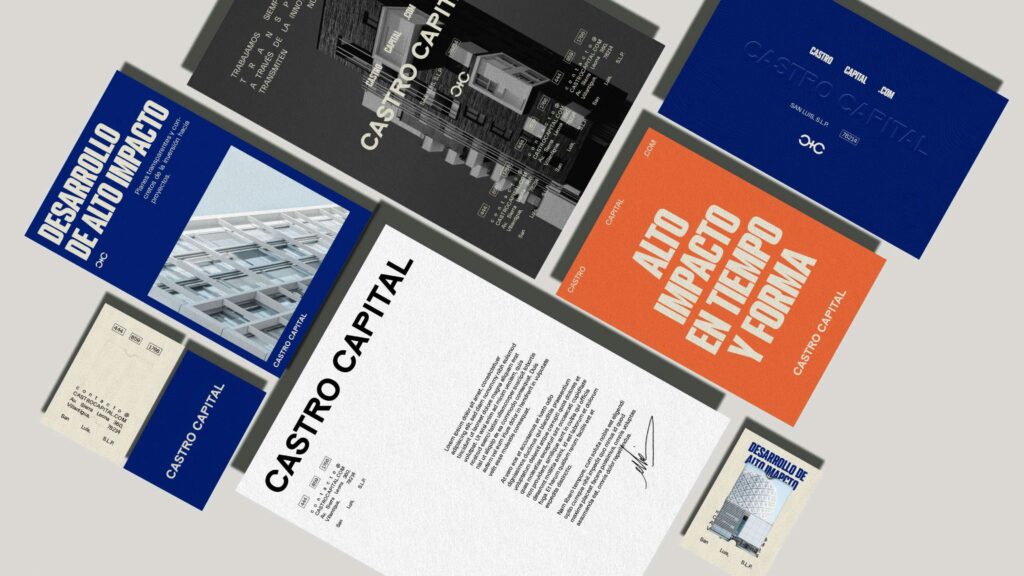
7. Consistent Branding Makes the Website More Effective
Your website should feel connected to your logo, packaging, advertising, and other marketing materials.
Consistent colours, typography, imagery, and messaging help reinforce brand recognition. They also make the business appear more organised across different customer touchpoints.
This is why website development should not be treated as an isolated technical task. It benefits from collaboration between strategy, branding, content, design, and development.
Choose a Website That Supports Your Goals
Before starting a project, define what your website needs to achieve. Are you trying to generate leads, showcase a portfolio, sell products, provide information, or support an existing sales team?
Your answers will influence the website structure, technology, content, and budget.
At Mark Studio, we bring together branding, website design, and development to help businesses create a more consistent online presence.
Conclusion
A professional website gives customers a place to understand your business, explore your offerings, and take action. When it combines clear communication, good design, reliable performance, and relevant content, it becomes a practical tool for long-term growth.