Imagine walking into a store and seeing two similar products placed next to each other. Both offer comparable features and prices, but one catches your attention immediately. Its packaging feels clear, attractive, and relevant to what you are looking for.
That first impression can influence which product you pick up, investigate, and eventually buy.
Packaging is not just a container for a product. It is an important part of how a brand communicates with customers. Effective packaging design combines visual appeal, product information, usability, and brand identity to create an experience that starts before the product is even opened.
What Makes Packaging Design Important?
Packaging is often the first physical interaction a customer has with a product. Unlike a digital advertisement, it can be examined, touched, carried, stored, and reused.
Good packaging helps communicate what the product is, who it is meant for, and what makes it different. It also provides an opportunity to make the brand more recognisable.
For businesses selling food, beverages, cosmetics, personal care products, electronics, or consumer goods, packaging can play a significant role in the overall customer experience.
1. First Impressions Matter
Customers may make quick initial judgements when browsing a crowded shelf or scrolling through an online store. Packaging that looks confusing or inconsistent with the product category may fail to attract attention.
A well-designed package uses colour, typography, imagery, and layout to establish a clear visual hierarchy.
The product name should be easy to identify. Important information should be readable. Visual elements should support the product’s personality rather than compete with one another.
However, attractive packaging does not automatically lead to sales. It must also be relevant to the audience, suitable for the product, and honest about what the product offers.
2. Packaging Communicates Brand Personality
Packaging gives businesses a way to express their identity without requiring customers to read a long brand story.
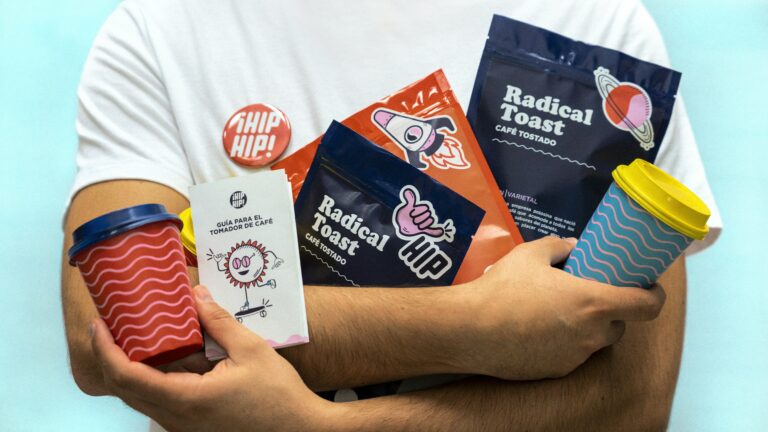
Minimal layouts may communicate simplicity and sophistication. Bright colours and expressive typography may suit a playful consumer brand. Natural textures and restrained graphics may be appropriate for products that emphasise traditional ingredients or an environmentally conscious positioning.
There is no universally correct packaging style. The right direction depends on the product, audience, price point, and competitive environment.
A packaging design agency can help translate these business considerations into a visual system that feels distinctive and consistent.
3. It Helps Customers Understand the Product
A beautiful package is not useful if customers cannot understand what is inside.
Product packaging should present essential information clearly. Depending on the category, this may include the product name, flavour or variant, quantity, ingredients, usage instructions, or other required declarations.
A customer should not have to search through decorative graphics to find basic information.
This is particularly important when a business offers several variants. A consistent layout with clear visual differences between flavours, sizes, or product types helps customers navigate the range more easily.
For regulated categories, packaging must also meet applicable labelling and legal requirements. These should be considered before final artwork is approved.
4. Packaging Helps Differentiate Your Product
Many businesses compete in categories where products have similar functions. Packaging offers an opportunity to establish a recognisable identity within that crowded space.
Differentiation does not always mean using louder colours or unusual shapes. Sometimes, a cleaner layout, a more useful opening mechanism, or clearer product communication can create a meaningful advantage.
Before developing packaging, study competing products. Look at their colours, typography, structures, messaging, and information hierarchy.
The objective is to understand category expectations while identifying opportunities for your product to look distinctive without confusing customers.
5. The Unboxing Experience Extends the Brand
Packaging continues to influence customer perception after purchase.
A box that opens easily, protects the product properly, and presents its contents neatly can make the experience more satisfying. On the other hand, excessive material, difficult openings, or poor product protection can create frustration.
For premium products and online orders, the unboxing experience may also become part of customer-generated content. People sometimes photograph or share packaging that feels particularly thoughtful or attractive.
This does not mean every product needs elaborate inserts or expensive materials. The experience should suit the product and the customer’s expectations.
6. Practicality Matters as Much as Appearance
Effective packaging design must work in real conditions.
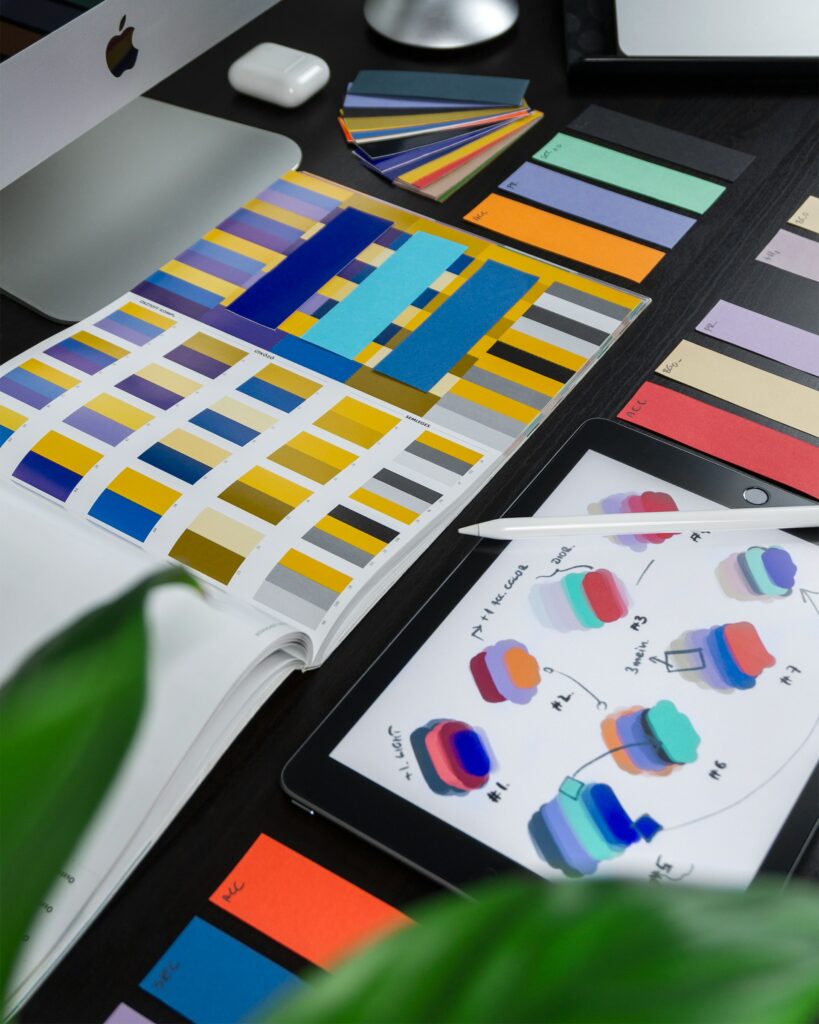
Consider storage, transportation, shelf placement, printing methods, material availability, product protection, and manufacturing costs. A design that looks excellent on a computer screen may not translate well to the final printed package.
Artwork should be checked for dimensions, bleed, safe areas, colour reproduction, legibility, and finishing requirements.
For businesses producing multiple units or variants, testing a physical sample before full production can help identify costly problems early.
7. Packaging Should Support Consistent Branding
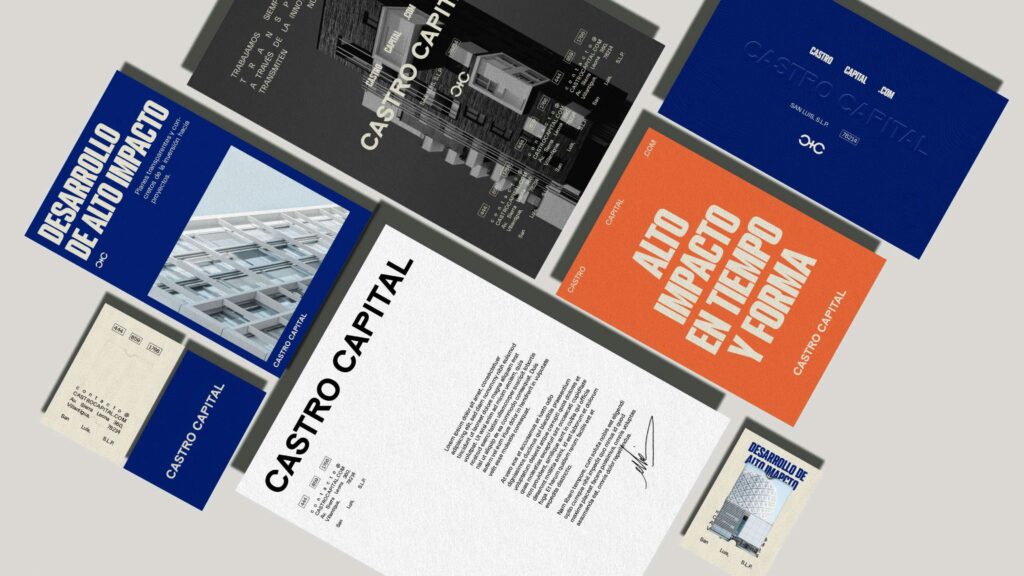
As a business introduces new products, packaging can become difficult to manage without a clear design system.
Consistent typography, logo placement, information structure, and colour rules help different products feel like part of the same family. Variant-specific colours or graphics can then provide differentiation without losing brand recognition.
This is especially useful for businesses planning to expand their product range.
Choosing the Right Packaging Design Partner
Look for a creative partner who considers both design and production. Discuss your audience, competitors, product specifications, budget, and manufacturing requirements before approving a direction.
At Mark Studio, we approach packaging as part of the larger brand experience, connecting product packaging and label design with the identity customers encounter across other touchpoints.
Conclusion
Packaging design influences how customers discover, understand, and experience a product. When it combines clear communication, distinctive visuals, practical functionality, and consistent branding, it can help a business present its products more effectively.
If your product deserves a stronger presence on shelves or online, professional packaging design is a valuable place to start.