When starting a business, one of the first things many entrepreneurs look for is a logo designer. It makes sense: a logo gives the business a visual identity and provides something to put on business cards, packaging, social media, and a website.
But as the business grows, another question often appears. Why does the brand still look inconsistent even though it has a logo?
The answer is that a logo and a brand identity are not the same thing. Both are important, but they serve different purposes. Understanding the difference can help you invest in the right creative services for your business.
What Is Logo Design?
Logo design is the process of creating a distinctive visual mark that represents a business, product, or organisation.
A logo may be based on typography, a symbol, an illustration, or a combination of these elements. The goal is to create an identity that is recognisable, appropriate for the business, and practical to use across different formats.
A professional logo should work in more than one situation. It may appear on a website header, a small social media profile image, a printed brochure, a product label, or outdoor advertising.
This means the design should be legible, adaptable, and suitable for different sizes and backgrounds.
A good logo is not necessarily complicated. In many cases, a simple and distinctive design is easier to recognise and reproduce consistently.
What Is Brand Identity Design?
Brand identity is the larger visual system built around the logo.
It determines how the business looks and feels across the different places where customers encounter it. A brand identity can include:
- Logo variations and usage rules
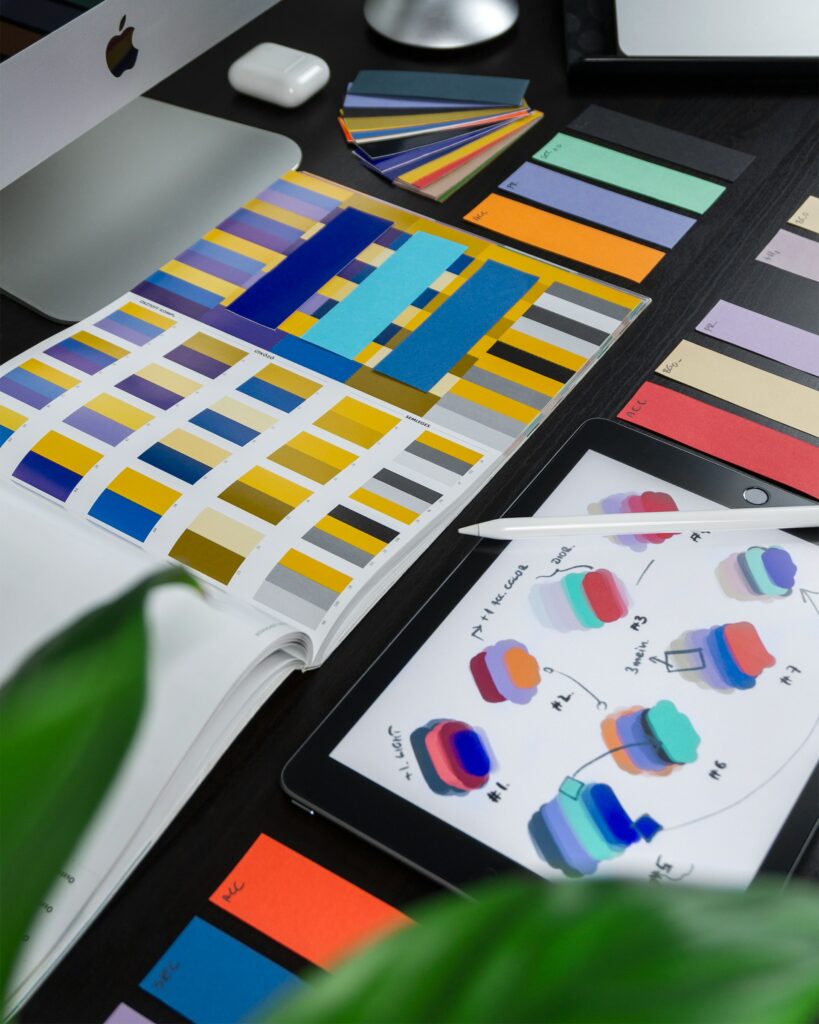
- Brand colours and typography
- Graphic elements, patterns, and icons
- Photography and illustration direction
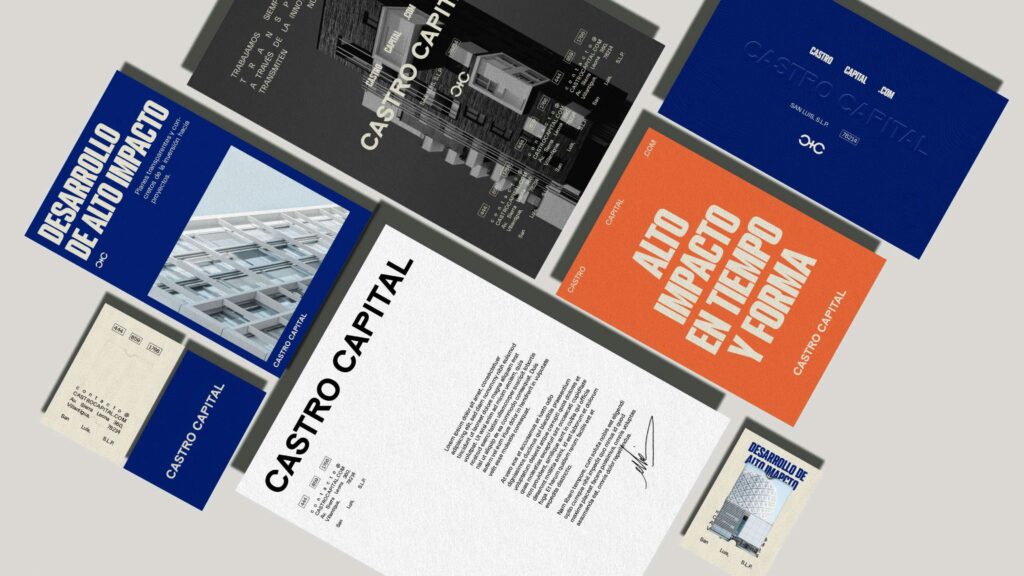
- Business stationery and marketing templates
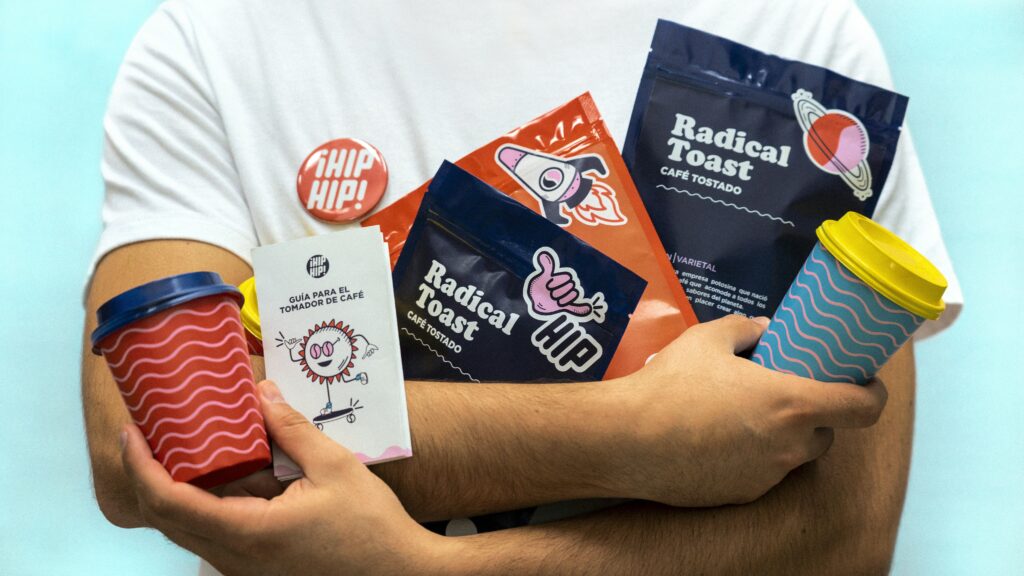
- Packaging and label design
- Website visual direction
- Brand guidelines
These elements work together to establish a consistent appearance.
For example, a restaurant’s brand identity might use a particular colour palette, type style, illustration system, menu layout, packaging design, and website aesthetic. The logo connects these elements, but the identity gives the business a recognisable overall experience.
The Key Differences Between a Logo and a Brand Identity
The easiest way to understand the distinction is to think of the logo as one part of the brand’s visual language.
A logo helps people identify the business. A brand identity helps people recognise its broader personality.
A logo project may deliver a primary logo, alternate versions, and basic file formats. A brand identity project may also establish the rules and supporting assets needed to apply that logo consistently across customer touchpoints.
The exact scope depends on the project, so businesses should clarify deliverables before hiring a designer or agency.
Why a Good Logo Alone May Not Be Enough
Imagine a business with a modern logo but an outdated website, inconsistent social media graphics, and packaging that uses unrelated colours and fonts.
Individually, these materials might be usable. Together, they may create a confusing impression.
Now imagine the same business using consistent typography, colours, layouts, imagery, and messaging across every platform. The experience feels more connected because the design decisions support one another.
This is where brand identity becomes particularly useful. It provides a framework that helps the business maintain consistency as it produces more marketing material.
When Should You Choose Logo Design?
A standalone logo project may be appropriate if you are testing an early-stage business idea, creating a small personal brand, or replacing an outdated logo while keeping your existing identity system.
It can also be a sensible starting point when budgets are limited, provided you plan to develop the remaining identity elements as the business grows.
However, even a standalone logo should be created with future applications in mind. Consider where it will appear, who will use it, and what files your team will need.
When Should You Invest in a Complete Brand Identity?
A broader identity project is worth considering when launching a new business, introducing a product range, opening additional locations, entering new markets, or repositioning an established company.
It is also useful when different teams or vendors are producing materials that need to look consistent.
For product-based businesses, brand identity and packaging should be considered together. For service businesses, the connection between the logo, website, presentations, and social media may be more important.
How to Choose the Right Design Partner
Start by explaining your business objectives, audience, competitors, and future plans. Ask the designer or agency how it develops concepts and how the final identity will be applied.
Review portfolio projects for consistency and adaptability rather than judging only the logo presentation. Check what is included in the quotation, including revisions, source files, usage guidance, and additional design applications.
A good creative partner should help you understand what your business needs rather than automatically recommending the largest package.
Build a Brand That Works Beyond the Logo
Your logo is an important starting point, but your brand experience extends much further.
Mark Studio offers creative services across logo design, branding, packaging, and website development to help businesses create connected visual identities. Whether you need a new logo or a more complete brand identity system, the right solution should reflect your current needs and future ambitions.