“Your logo is often the first handshake between your business and your customer.”
Before a customer visits your office, browses your website, or speaks with your sales team, they have already formed an opinion about your business. That opinion is often shaped by something surprisingly simple—your logo.
Whether it appears on your website, product packaging, social media, business card, or a billboard, your logo is usually the first visual interaction people have with your brand. In just a few seconds, it communicates professionalism, credibility, and personality.
Yet, many businesses still treat logo design as a quick task rather than a strategic investment. They choose inexpensive templates, copy competitors, or create logos based on personal preferences rather than business goals.
The result? A visual identity that fails to create trust, differentiate the business, or leave a lasting impression.
At Mark Studio, we believe that great logo design isn’t just about aesthetics—it’s about creating a strategic asset that supports business growth.
Whether you’re launching a startup in Surat, rebranding an established company in Pune, or introducing a new product line, investing in professional logo design in Surat can shape how customers perceive your business for years to come.
What Is a Logo, Really?
Most people describe a logo as a symbol or graphic representing a company.
While technically correct, that definition doesn’t capture its true purpose.
A logo is a visual identifier that helps customers recognise, remember, and differentiate your business. It serves as the anchor of your entire brand identity and appears across every customer touchpoint, including:
- Your website
- Social media profiles
- Product packaging
- Business stationery
- Advertising campaigns
- Company vehicles
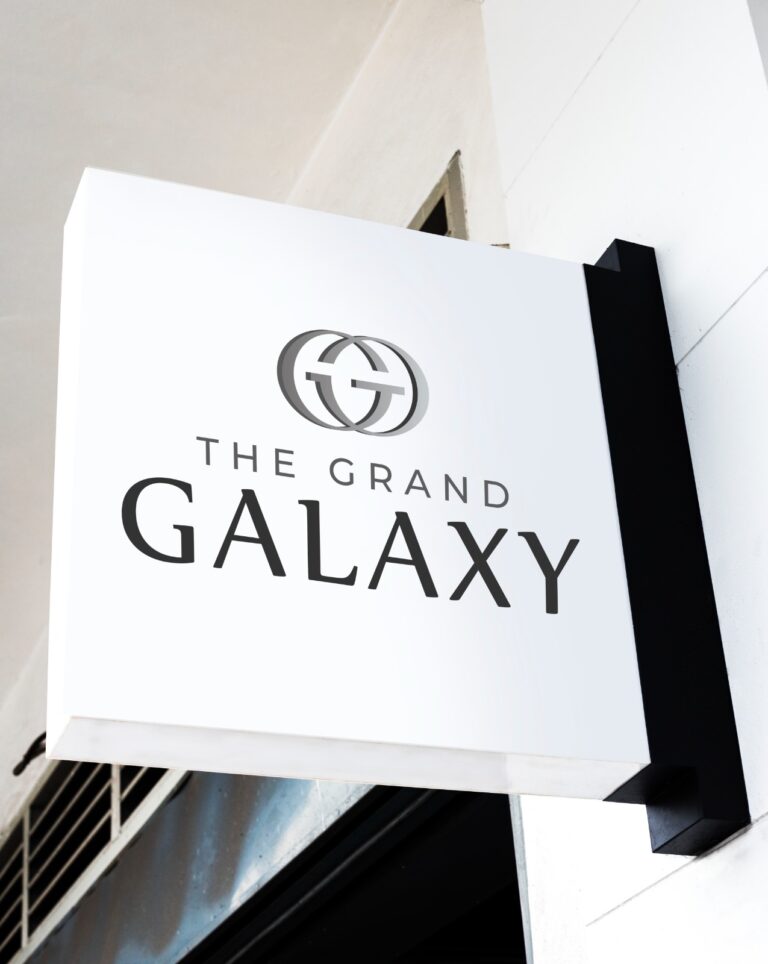
- Storefront signage
- Trade show displays
- Marketing brochures
Over time, customers begin to associate your logo with their experiences. If those experiences are positive, the logo becomes a symbol of trust.
Think about brands like Nike, Apple, or McDonald’s. Their logos don’t explain what they do—they remind people of everything they already know about those companies.
That’s the power of consistent branding.
Logo Design vs Brand Identity: Understanding the Difference
One of the most common misconceptions is that a logo and a brand are the same thing.
They aren’t.
Your logo is one part of your brand identity.
Your brand identity includes:
- Logo
- Colour palette
- Typography
- Photography style
- Graphic elements
- Icons
- Visual language
- Brand guidelines
Your brand, however, is even broader.
It includes how people feel about your business based on every interaction they have with it.
A professionally designed logo provides the foundation, but it works best when supported by a complete branding strategy.
Why First Impressions Matter
Research consistently shows that people form first impressions within seconds.
When a potential customer discovers your business, they subconsciously ask themselves questions like:
- Does this business look trustworthy?
- Does it appear professional?
- Is it established?
- Does it seem premium?
- Would I feel comfortable buying from them?
Your logo contributes significantly to these perceptions.
A polished, thoughtfully designed logo suggests that the business pays attention to detail and values quality.
On the other hand, a poorly designed logo can unintentionally communicate the opposite—even if your products or services are exceptional.
The Business Benefits of Professional Logo Design
A professionally designed logo does much more than make your business look attractive.
It supports measurable business objectives.
1. Builds Trust
Customers naturally gravitate toward businesses that appear credible.
Professional logo design helps create confidence before the first conversation takes place.
This is particularly important for startups and small businesses that don’t yet have a well-established reputation.
2. Improves Brand Recognition
People remember visuals far more easily than names.
A distinctive logo helps customers recognise your business across multiple platforms, including:
- Websites
- Social media
- Packaging
- Advertisements
- Email signatures
- Signage
Repeated exposure strengthens brand recall over time.
3. Creates Competitive Differentiation
No matter your industry, you’re competing for attention.
Whether you’re a restaurant, architect, manufacturer, retailer, or technology company, your logo should help distinguish you from similar businesses.
A unique visual identity makes it easier for customers to remember your brand when they’re ready to make a purchasing decision.
4. Supports Premium Pricing
Strong brands rarely compete solely on price.
Customers are often willing to pay more for businesses that appear established, professional, and trustworthy.
A high-quality logo contributes to that perception.
While a logo alone won’t justify premium pricing, it reinforces the overall impression of quality that customers expect from your business.
5. Creates Consistency Across Marketing
Your logo becomes the visual anchor for every marketing activity.
It appears on:
- Business cards
- Letterheads
- Websites
- Social media
- Product packaging
- Hoardings
- Brochures
- Uniforms
- Presentations
- Promotional merchandise
Consistent use of your logo strengthens brand recognition and creates a cohesive customer experience.
The Psychology Behind Memorable Logos
Great logo design isn’t based on personal taste—it draws on principles of psychology and visual communication.
Simplicity
Simple logos are easier to recognise and remember.
They also scale better across different applications.
Relevance
A logo should reflect the personality of the business.
For example:
- A luxury jewellery brand may use elegant typography.
- A technology startup may favour clean, modern lines.
- A children’s brand may incorporate playful colours and shapes.
The design should align with customer expectations without becoming predictable.
Colour Psychology
Colours evoke emotions and influence perception.
For example:
- Blue often communicates trust and reliability.
- Green is associated with growth and sustainability.
- Black conveys sophistication and luxury.
- Red creates energy and urgency.
Selecting the right colour palette is a strategic decision, not merely an aesthetic one.
Typography
The typeface you choose can dramatically influence how your brand is perceived.
Clean sans-serif fonts often suggest innovation and modernity, while classic serif fonts can convey heritage, elegance, or authority.
Every design decision contributes to the story your brand tells.
Common Logo Design Mistakes Businesses Should Avoid
Many businesses unintentionally weaken their branding by making avoidable mistakes during the design process.
Some of the most common include:
Choosing Trends Over Timelessness
Design trends come and go.
A logo should remain relevant for years, not just until the next trend emerges.
Using Generic Templates
Template-based logos often look similar to countless others.
They lack originality and fail to differentiate your business.
Overcomplicating the Design
Too many colours, fonts, or graphic elements reduce clarity and make logos difficult to reproduce across different formats.
Designing for Personal Preference
A logo should be designed for your target audience—not based solely on what the business owner personally likes.
Strategic design always puts the customer first.
The Professional Logo Design Process
Many people think logo design begins with sketching ideas. In reality, the creative work starts much earlier—with research and strategy.
At Mark Studio, we believe a logo should be designed around the business, not the other way around. Every decision is made with the target audience, industry, and long-term goals in mind.
A typical logo design process includes the following stages:
1. Brand Discovery
Before opening any design software, it’s essential to understand the business.
Questions we ask include:
- What products or services does the business offer?
- Who is the ideal customer?
- What makes the business different?
- Where does the company want to be in five years?
- What emotions should customers associate with the brand?
The answers provide the strategic foundation for every design decision.
2. Competitor Research
A logo should help a business stand apart, not blend in.
Researching competitors helps identify common design patterns within an industry and reveals opportunities to create something distinctive.
For example, if every company in a sector uses blue corporate-style logos, introducing a more unique visual approach can improve recognition while remaining appropriate for the market.
3. Concept Development
Once the strategy is clear, designers begin exploring concepts.
This stage involves:
- Sketching ideas
- Exploring typography
- Testing symbols
- Evaluating layouts
- Experimenting with composition
Rather than producing one idea, several directions are developed and refined.
4. Refinement
Promising concepts are refined to improve balance, readability, and scalability.
A professional logo should work equally well on:
- A business card
- A billboard
- A website
- A social media profile
- Product packaging
- Company uniforms
If a logo only works in one context, it isn’t versatile enough.
5. Brand Guidelines
Once approved, the logo becomes part of a broader identity system.
Basic brand guidelines often include:
- Logo usage rules
- Colour specifications
- Typography
- Minimum sizing
- Clear space requirements
- Acceptable variations
These guidelines help maintain consistency across all marketing materials.
Product Logo Design vs Corporate Logo Design
Not every logo represents an entire company.
Many businesses own multiple products, each requiring its own identity.
Corporate Logo
Represents the company as a whole.
Examples include:
- Manufacturing companies
- Marketing agencies
- Technology firms
- Hospitality businesses
Product Logo
Represents a specific product or product line.
For example, a food manufacturer may produce several brands, each targeting different customer segments.
In these cases, product logo design becomes just as important as the company logo.
A successful product logo should:
- Stand out on crowded shelves.
- Reflect the product’s personality.
- Complement the packaging.
- Appeal to the target audience.
- Support future product extensions.
Creating product logos requires a deep understanding of consumer behaviour, retail environments, and packaging design.
When Should You Redesign Your Logo?
A strong logo can remain effective for decades.
However, there are situations where updating or redesigning a logo becomes beneficial.
Your Business Has Evolved
Perhaps your company has expanded into new markets or introduced new services.
If your current logo no longer reflects who you are, it may be time for a refresh.
Your Logo Looks Outdated
Design trends change over time.
While timeless logos remain relevant, some older designs can unintentionally make businesses appear outdated.
A carefully considered redesign can modernise the brand while preserving its recognition.
Your Target Audience Has Changed
If your business now serves a different customer demographic, your visual identity should evolve accordingly.
Your Logo Doesn’t Work Digitally
Many older logos were created before the rise of smartphones and social media.
Today’s logos need to perform well across digital platforms, including small profile pictures, mobile screens, and responsive websites.
How Logo Design Supports Digital Marketing
A professional logo influences more than brand recognition—it supports every aspect of your marketing.
Website Design
Your logo sets the visual tone for your website.
It influences:
- Navigation
- Colour palette
- Typography
- Layout
- User experience
A cohesive visual identity creates a more professional online presence.
Social Media
Customers often discover businesses through social platforms.
A distinctive logo improves profile recognition and creates consistency across channels.
Advertising Campaigns
Whether it’s a newspaper advertisement, a Google Display campaign, or a roadside hoarding, your logo acts as the visual anchor that ties every campaign together.
Product Packaging
For product-based businesses, the logo is often the most recognisable element on the packaging.
Strong branding helps customers identify your products quickly, even from a distance.
Why Startups Should Invest in Professional Logo Design
Many startups delay branding because they view it as an unnecessary expense.
In reality, a professional logo can accelerate growth by helping a new business appear established and trustworthy.
Early investment in branding offers several advantages:
- Builds credibility with customers.
- Creates consistency across marketing.
- Supports future expansion.
- Makes fundraising presentations more professional.
- Improves customer recall.
Working with a startup branding agency allows founders to establish a strong foundation from the beginning rather than making costly changes later.
Why Local Businesses in Surat Need Strong Visual Branding
Surat is one of India’s fastest-growing commercial centres, home to businesses across manufacturing, textiles, jewellery, healthcare, hospitality, retail, and technology.
As competition increases, standing out becomes more challenging.
A professionally designed logo helps local businesses:
- Create a memorable first impression.
- Build trust with new customers.
- Differentiate themselves from competitors.
- Support local marketing efforts.
- Strengthen online visibility.
Whether your business serves customers in Surat, Pune, or across India, your visual identity plays an important role in shaping customer perception.
Why Businesses Choose Mark Studio
At Mark Studio, logo design is never approached as a standalone creative exercise.
Every project begins with understanding the business and its long-term objectives.
Our process combines strategic thinking with thoughtful design to create logos that are:
- Distinctive.
- Versatile.
- Timeless.
- Relevant.
- Scalable.
Beyond logo design, we also help businesses develop complete visual identities through:
- Brand strategy.
- Brand identity systems.
- Website design and development.
- Product packaging design.
- Product label design.
- Advertising creatives.
- Marketing collateral.
- Campaign planning.
By ensuring every visual element works together, we help businesses create brands that customers recognise and remember.
Frequently Asked Questions
How long does it take to design a professional logo?
The timeline depends on the complexity of the project, research, revisions, and brand strategy. A thoughtful logo design process typically takes several weeks rather than a few days.
How much should a business invest in logo design?
Rather than viewing logo design as a one-time cost, consider it a long-term investment. A well-designed logo can represent your business for many years and influence customer perception across every marketing channel.
Can I use an AI logo generator?
AI tools can generate ideas quickly, but they often lack originality and strategic thinking. They don’t understand your business goals, competitors, or target audience in the way a professional branding process does.
What’s the difference between a logo and a brand identity?
A logo is one element of a broader brand identity, which also includes colours, typography, imagery, messaging, and visual guidelines. Together, these create a consistent brand experience.
When should I redesign my logo?
Consider a redesign if your business has evolved, your current logo no longer reflects your positioning, or it performs poorly across modern digital platforms.
Final Thoughts
A logo is much more than a design—it is one of the most valuable visual assets your business will ever create.
It shapes first impressions, reinforces trust, supports marketing efforts, and contributes to long-term brand recognition. While trends come and go, a strategically designed logo continues to represent your business through every stage of its growth.
Whether you’re launching a startup, introducing a new product, or refreshing an established brand, investing in professional logo design is an investment in how your business is perceived.
At Mark Studio, we help businesses in Surat, Pune, and across India create logos that are rooted in strategy, designed with purpose, and built to last.