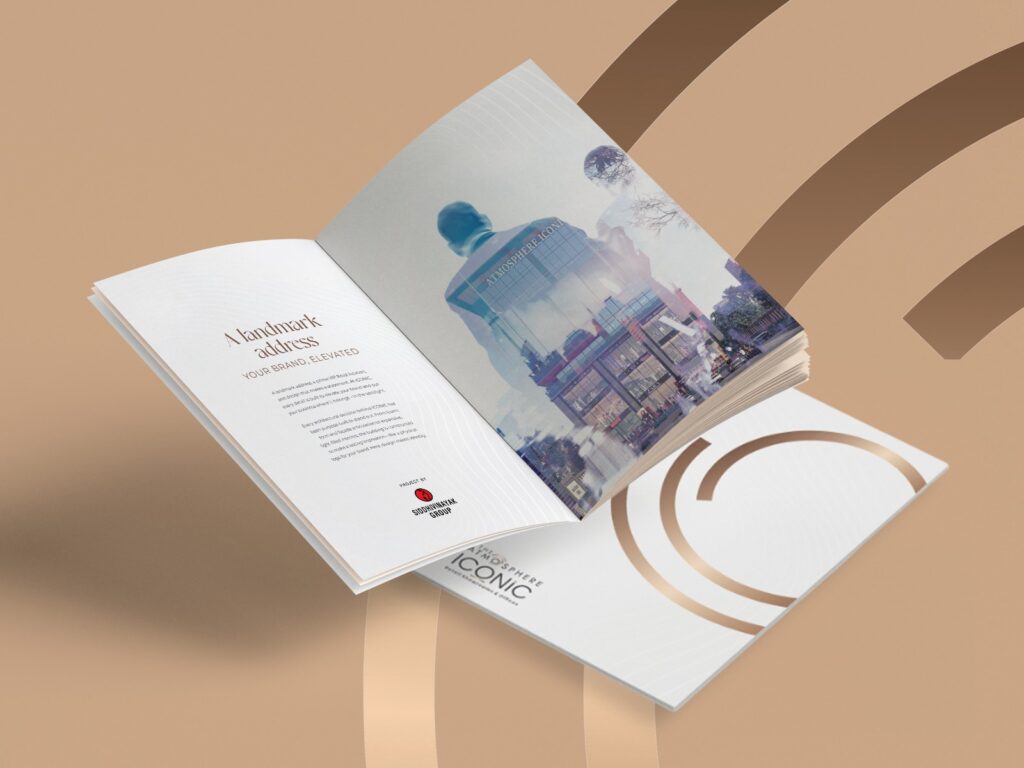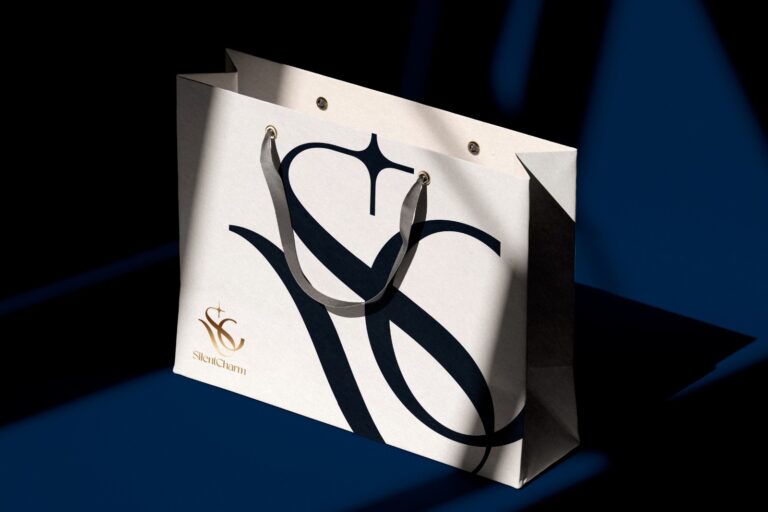
“A customer may never meet your sales team—but every customer meets your packaging.”
Walk into any supermarket, pharmacy, electronics store, or retail outlet, and you’ll notice something fascinating. Hundreds of products compete for your attention, all at the same time.
Some instantly catch your eye.
Others disappear into the background.
Most customers don’t have the time to compare every product on the shelf. Instead, they make quick decisions based on what they see. In just a few seconds, they evaluate quality, trustworthiness, value, and desirability—often before reading a single word on the package.
This is why product packaging design has become one of the most important investments for businesses selling physical products.
Packaging is no longer just a protective container.
It is a marketing tool.
A brand ambassador.
A communication platform.
And in many cases, it becomes the deciding factor between your product and a competitor’s.
At Mark Studio, we believe great packaging should do more than look attractive. It should communicate your brand’s story, attract the right audience, build trust, and ultimately encourage customers to make a purchase.
Whether you’re launching a food product, cosmetic line, health supplement, industrial product, or premium consumer brand, thoughtful packaging design can significantly influence how your product performs in the market.
What Is Product Packaging Design?
Many people think packaging design simply means arranging text, colours, and graphics on a box or label.
In reality, packaging design is a combination of branding, psychology, engineering, marketing, and user experience.
It involves designing the complete visual and functional experience of a product, including:
- Product logo
- Product label
- Colour palette
- Typography
- Packaging structure
- Material selection
- Product information
- Regulatory requirements
- Shelf presentation
- User convenience
Every element works together to communicate value before the customer even uses the product.
Why Packaging Matters More Than Ever
Consumers today are overwhelmed with choice.
A single supermarket aisle may contain dozens of competing products offering similar features at similar prices.
When products appear comparable, packaging becomes the deciding factor.
Packaging influences:
- First impressions
- Brand recognition
- Perceived quality
- Purchase confidence
- Customer expectations
- Brand recall
- Repeat purchases
In other words, packaging influences both the first sale and the next sale.
Your Packaging Is Your First Salesperson
Imagine launching a new coffee brand.
You invest in premium beans, quality roasting, and excellent flavour.
But your packaging looks generic, cluttered, or outdated.
Customers walking through a supermarket have no way of tasting your coffee before buying it.
Their decision is based almost entirely on visual perception.
Now imagine the opposite.
Beautiful packaging.
Clear messaging.
Premium finishes.
Thoughtful typography.
Professional branding.
Customers naturally assume the product itself reflects that same level of quality.
That’s the power of strategic packaging.
Packaging sells the promise before the product delivers the experience.
The Psychology Behind Great Packaging
Packaging design isn’t based on personal preference.
It is based on consumer psychology.
Great designers understand how people process visual information and make purchasing decisions.
Let’s explore the key psychological principles behind successful packaging.
1. First Impressions Happen Instantly
Research shows customers often form an opinion within seconds.
During that brief moment, they ask themselves questions like:
- Does this product look trustworthy?
- Does it feel premium?
- Is it worth the price?
- Does it suit my lifestyle?
- Would I proudly display or use this product?
Your packaging should answer those questions immediately.
2. Colour Influences Emotion
Colours communicate long before words do.
For example:
- Green often suggests nature, freshness, or sustainability.
- Blue communicates trust and reliability.
- Black represents luxury and sophistication.
- White conveys simplicity and cleanliness.
- Red creates excitement and urgency.
- Gold often suggests exclusivity and premium quality.
Choosing colours strategically helps reinforce your product positioning.
3. Typography Shapes Perception
Fonts influence how customers perceive your brand.
Elegant serif fonts often communicate heritage and luxury.
Modern sans-serif fonts suggest innovation and simplicity.
Playful handwritten fonts may suit children’s products or artisanal brands.
Typography should always support your overall brand personality.
4. Simplicity Builds Confidence
One of the biggest mistakes businesses make is trying to communicate too much.
Overcrowded packaging overwhelms customers.
The most successful products often communicate one clear message rather than ten competing ones.
Simple packaging is easier to recognise, easier to understand, and easier to remember.
Why Packaging Is More Than Just Appearance
Good packaging isn’t only about attracting attention.
It also needs to perform.
Effective packaging should:
- Protect the product.
- Be easy to transport.
- Be convenient to open.
- Preserve freshness or quality.
- Display essential information clearly.
- Reflect the brand consistently.
Beautiful packaging that fails functionally creates a disappointing customer experience.
Design and usability should always work together.
Common Packaging Design Mistakes That Reduce Sales
Many businesses unknowingly weaken their products through avoidable packaging mistakes.
Mistake 1: Designing for Yourself Instead of the Customer
Business owners often choose designs based on personal taste.
Successful packaging is designed for the target audience—not the founder.
Understanding customer preferences is essential.
Mistake 2: Ignoring Shelf Impact
Your product rarely sits alone.
It competes with dozens—or even hundreds—of alternatives.
Ask yourself:
Would someone notice your product from two metres away?
If not, your packaging may need stronger visual hierarchy.
Mistake 3: Too Much Information
Customers don’t read every word.
They scan.
Effective packaging prioritises the most important messages and presents them clearly.
Less clutter often means more impact.
Mistake 4: Weak Branding
Some products feature attractive packaging but inconsistent branding.
Customers should immediately recognise:
- The product.
- The company.
- The overall brand family.
Strong branding improves recall and encourages repeat purchases.
Mistake 5: Forgetting the Unboxing Experience
Packaging doesn’t stop selling after purchase.
Opening a product is part of the customer experience.
Thoughtful details such as premium materials, organised presentation, thank-you cards, or sustainable packaging can strengthen customer satisfaction and encourage word-of-mouth recommendations.
Different Industries Need Different Packaging Strategies
Packaging is never one-size-fits-all.
Different industries have different priorities.
Food & Beverage
Packaging should communicate freshness, quality, taste, and safety while meeting regulatory requirements.
Cosmetics & Personal Care
Customers often associate elegant, premium packaging with product effectiveness and quality.
Health Supplements
Clear information, credibility, and trust are essential.
Professional packaging can reassure customers about product authenticity.
Industrial Products
Industrial packaging should prioritise durability, functionality, and clear product identification while maintaining consistent branding.
Luxury Products
Premium packaging creates anticipation before the product is even opened.
Materials, finishes, and minimalistic design often play a significant role.
The Product Packaging Design Process
Great packaging rarely happens by accident. Behind every successful product on a retail shelf is a carefully planned design process that balances creativity, functionality, branding, and market research.
At Mark Studio, we approach packaging design as both a creative and strategic exercise. Our goal is to ensure that every design decision helps the product stand out while staying true to the brand.
1. Understanding the Product
Every packaging project begins by understanding the product itself.
Questions we typically ask include:
- What problem does the product solve?
- Who is the target customer?
- Where will it be sold?
- What price segment does it belong to?
- What emotions should customers associate with it?
The answers guide every stage of the design process.
2. Market & Competitor Research
Before developing concepts, it’s important to study the market.
Competitor research helps identify:
- Industry trends
- Customer expectations
- Common packaging styles
- Opportunities for differentiation
The objective isn’t to imitate competitors—it is to understand the market and create a product that stands out for the right reasons.
3. Brand Integration
Packaging should never feel disconnected from the brand.
Elements such as the logo, colours, typography, photography, and messaging should work together to create a cohesive identity.
Whether a customer sees your product online, on a store shelf, or in an advertisement, the experience should feel consistent.
4. Structural & Visual Design
Packaging is more than graphics printed on a box.
It also includes the physical structure of the package.
Factors such as shape, size, materials, opening mechanism, and durability all influence customer experience.
The visual design should complement the structure while ensuring information is easy to read and the product remains the hero.
5. Production-Ready Artwork
Once the design is approved, artwork must be prepared for printing.
This stage includes:
- Print-ready files
- Bleed and trim settings
- Colour accuracy
- Barcode placement
- Legal and regulatory information
- Material specifications
Attention to detail during production helps avoid costly printing errors.
Product Label Design: More Than Just Information
A product label is often the first thing customers examine before making a purchase.
It needs to do much more than list ingredients or specifications.
An effective product label design should:
- Clearly identify the product
- Communicate key benefits
- Reinforce the brand identity
- Build trust through organised information
- Meet industry regulations
- Remain easy to read
Whether it’s a food product, cosmetic, chemical, or health supplement, a thoughtfully designed label improves both usability and customer confidence.
How Packaging Strengthens Brand Recognition
Consistency is one of the most valuable qualities in branding.
When customers repeatedly encounter the same visual identity across products, advertisements, websites, and social media, they begin to recognise your brand instantly.
Think about leading global brands. Even without reading the product name, consumers often identify them by:
- Their colours
- Their typography
- Their packaging style
- Their logo placement
- Their visual language
Strong packaging contributes significantly to long-term brand recognition.
As your product range expands, consistent design helps customers identify your products more quickly and builds confidence in new launches.
Sustainable Packaging: A Growing Business Opportunity
Sustainability is no longer a niche consideration. Across many industries, customers are paying closer attention to how products are packaged.
This does not necessarily mean every business must adopt expensive or highly specialised materials. Instead, businesses should look for practical ways to reduce waste while maintaining product quality.
Some examples include:
- Using recyclable materials where appropriate
- Reducing unnecessary layers of packaging
- Designing packaging that uses material efficiently
- Choosing durable packaging that protects products during transport
- Clearly communicating disposal or recycling information
Sustainable packaging should also align with your brand values. Customers appreciate genuine efforts, but they also expect those claims to be accurate and transparent.
Packaging and E-commerce
Today’s products are often purchased online before customers ever see them in a physical store.
This changes the role of packaging.
Instead of attracting attention on a shelf alone, packaging must now perform well in several situations:
- Product photographs on e-commerce websites
- Social media promotions
- Unboxing videos
- Shipping and handling
- Customer reviews
A package that looks impressive online and arrives safely in excellent condition helps strengthen the overall customer experience.
For many brands, the unboxing experience has become an extension of their marketing.
Measuring the Return on Investment (ROI) of Packaging Design
Business owners sometimes view packaging as an expense rather than an investment.
In reality, effective packaging can influence several measurable outcomes:
Increased Shelf Visibility
Distinctive packaging makes products easier to notice in competitive retail environments.
Higher Perceived Value
Premium design often supports premium pricing by improving how customers perceive the product.
Better Brand Recall
Consistent packaging helps customers recognise your products during future purchases.
Improved Customer Loyalty
Positive experiences with packaging contribute to overall satisfaction and encourage repeat purchases.
Stronger Marketing Performance
Packaging appears in advertising, social media content, websites, catalogues, and exhibitions. High-quality packaging strengthens every marketing effort.
When considered over the lifetime of a product, professional packaging design often delivers significant long-term value.
Why Businesses Choose Mark Studio for Packaging Design
At Mark Studio, we believe successful packaging combines creativity with commercial thinking.
Our packaging design process is built around understanding your product, your customers, and your business goals.
We work across a wide range of industries to create packaging that is:
- Visually distinctive
- Functionally practical
- Print-ready
- Brand consistent
- Market focused
Our services include:
- Product Packaging Design
- Product Label Design
- Brand Identity Design
- Product Logo Design
- Packaging Artwork
- Marketing Collateral
- Product Photography
- Website Design
- Advertising Campaigns
Because we provide complete branding solutions, every packaging project is designed to integrate seamlessly with your overall marketing strategy.
Frequently Asked Questions
Why is product packaging design important?
Packaging is often the first interaction customers have with your product. It influences first impressions, communicates quality, and helps differentiate your product from competitors.
What’s the difference between packaging design and label design?
Packaging design includes the complete visual and structural presentation of a product, while label design focuses specifically on the printed information and graphics applied to the package.
Can packaging increase product sales?
Thoughtfully designed packaging can improve visibility, strengthen brand recognition, and influence purchase decisions. While sales also depend on factors such as product quality, pricing, and distribution, packaging plays an important role in attracting customer attention.
How often should packaging be updated?
Packaging should be reviewed periodically to ensure it remains relevant, aligns with current branding, and meets any updated regulatory or market requirements. Major redesigns are typically considered when launching new product lines, repositioning the brand, or refreshing the visual identity.
Do all products require custom packaging?
Not necessarily. However, businesses looking to build strong brand recognition often benefit from customised packaging that reflects their identity rather than relying solely on generic solutions.
Final Thoughts
Your product may be exceptional, but if the packaging fails to communicate its value, customers may never discover what makes it special.
Packaging is far more than a protective layer—it is a powerful marketing tool that shapes first impressions, builds trust, reinforces your brand, and influences buying decisions.
Businesses that invest in thoughtful packaging design create stronger customer experiences from the moment a product is seen until long after it has been opened.
Whether you’re launching a new product, expanding an existing range, or refreshing your brand, strategic packaging design can become one of your most valuable competitive advantages.
At Mark Studio, we help businesses across Surat, Pune, and India create packaging that combines creativity, strategy, and commercial impact—ensuring every product has the opportunity to stand out in a competitive marketplace.